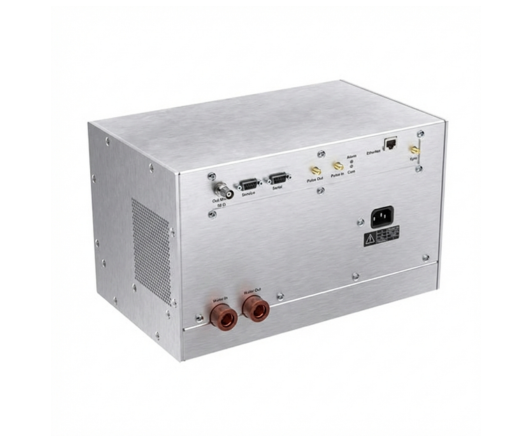
High Frequency Power Generators
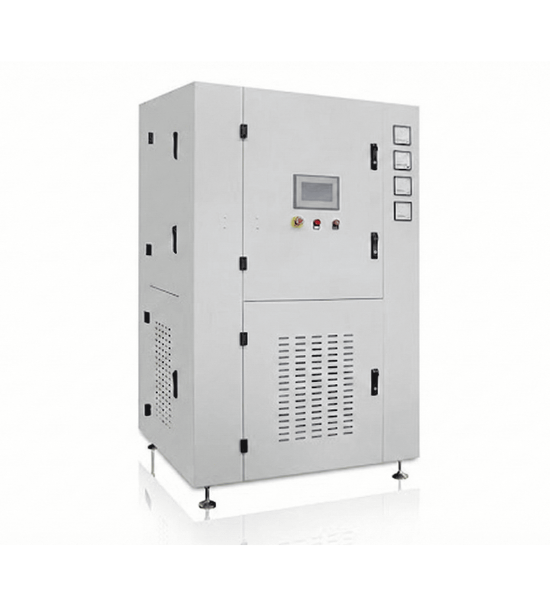
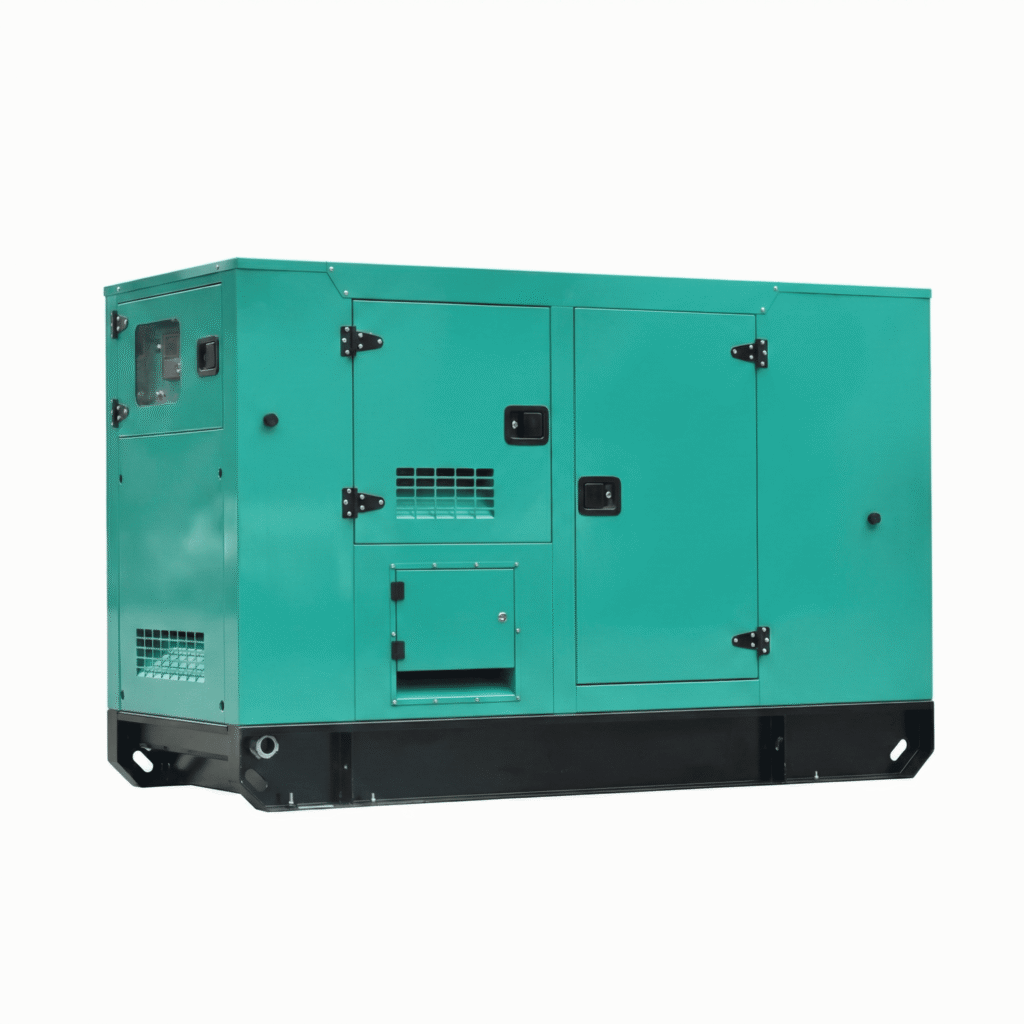
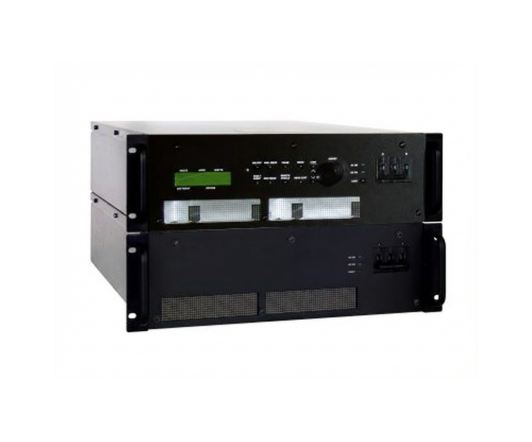
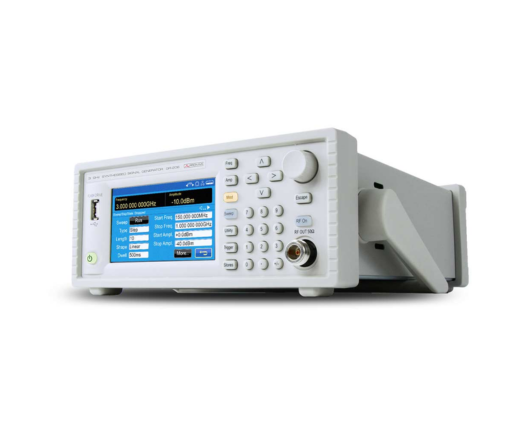
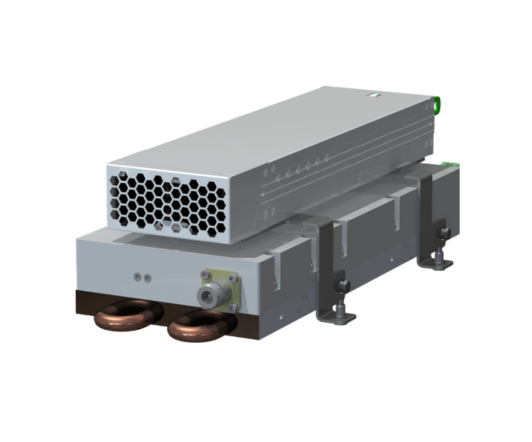
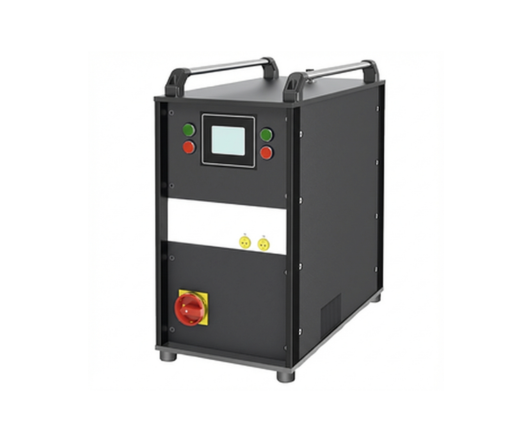
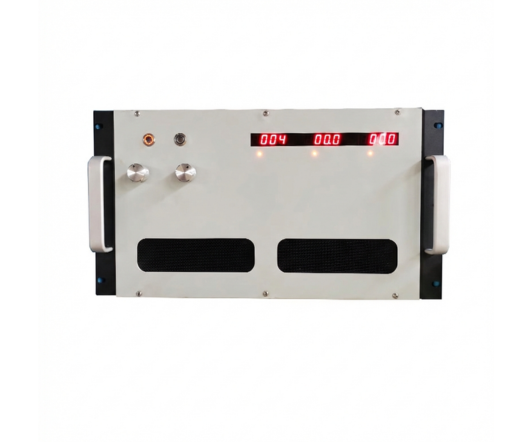
A High-Frequency Power Generator is an advanced electronic device designed to produce electrical power at frequencies far higher than conventional 50/60 Hz systems, typically ranging from kilohertz to megahertz. By using solid-state switching technology and efficient power conversion stages, these generators deliver precise, stable, and controllable high-frequency output, enabling compact system design and high energy efficiency. They are widely used in applications such as induction heating, RF welding, medical equipment, and plasma generation, where accurate power control and rapid energy delivery are essential.
PVD (Physical Vapor Deposition):
PVD is a vacuum-based thin-film deposition process where material is physically vaporized (by sputtering or evaporation) and deposited onto a substrate.
CVD (Chemical Vapor Deposition):
CVD is a process in which gaseous precursors chemically react on a heated substrate to form a solid thin film.
PECVD (Plasma Enhanced Chemical Vapor Deposition):
PECVD uses plasma to enhance chemical reactions, allowing deposition at much lower temperatures than CVD.
PVD (Physical Vapor Deposition):
PVD is a vacuum-based thin-film deposition process where material is physically vaporized (by sputtering or evaporation) and deposited onto a substrate.
CVD (Chemical Vapor Deposition):
CVD is a process in which gaseous precursors chemically react on a heated substrate to form a solid thin film.
PECVD (Plasma Enhanced Chemical Vapor Deposition):
PECVD uses plasma to enhance chemical reactions, allowing deposition at much lower temperatures than CVD.
A direct current (DC) voltage is applied between electrodes, creating an electric field that accelerates electrons and ions to sustain a plasma.
Typical Operating Range Voltage: ~100–1000 V, Power: tens of watts to hundreds of kilowatts
Applications
DC magnetron sputtering
Plasma excitation with conductive targets
Arc evaporation sources
A direct current (DC) voltage is applied between electrodes, creating an electric field that accelerates electrons and ions to sustain a plasma.
Typical Operating Range Voltage: ~100–1000 V, Power: tens of watts to hundreds of kilowatts
Applications
DC magnetron sputtering
Plasma excitation with conductive targets
Arc evaporation sources
A DC voltage is periodically switched on and off or reversed (bipolar pulsing). This allows surface charge neutralization.
Typical Operating Range Frequency: kHz to hundreds of kHz, Pulse duty cycle adjustable
Applications
- Reactive magnetron sputtering
- Sputtering of partially insulating targets
Improved process stability in oxide and nitride coatings
A DC voltage is periodically switched on and off or reversed (bipolar pulsing). This allows surface charge neutralization.
Typical Operating Range Frequency: kHz to hundreds of kHz, Pulse duty cycle adjustable
Applications
- Reactive magnetron sputtering
- Sputtering of partially insulating targets
Improved process stability in oxide and nitride coatings
An alternating electric field, typically at 13.56 MHz, couples energy capacitively or inductively into the plasma. Electrons respond rapidly to the oscillating field, sustaining the discharge even with insulating surfaces.
Typical Operating Range: Frequency: 13.56 MHz (industrial standard), Power: watts to tens of kilowatts
Applications
RF sputtering of insulating targets
PECVD (Plasma-Enhanced CVD)
Plasma cleaning and surface activation
An alternating electric field, typically at 13.56 MHz, couples energy capacitively or inductively into the plasma. Electrons respond rapidly to the oscillating field, sustaining the discharge even with insulating surfaces.
Typical Operating Range: Frequency: 13.56 MHz (industrial standard), Power: watts to tens of kilowatts
Applications
RF sputtering of insulating targets
PECVD (Plasma-Enhanced CVD)
Plasma cleaning and surface activation
Microwave energy (commonly 2.45 GHz) excites electrons through electron cyclotron resonance (ECR) or direct microwave absorption, producing high-density plasmas.
Typical Operating Range: Frequency: 2.45 GHz, Power: hundreds of watts to several kilowatts
Applications
Microwave plasma CVD (e.g., diamond growth)
High-density plasma sources
Plasma sources without electrodes
Microwave energy (commonly 2.45 GHz) excites electrons through electron cyclotron resonance (ECR) or direct microwave absorption, producing high-density plasmas.
Typical Operating Range: Frequency: 2.45 GHz, Power: hundreds of watts to several kilowatts
Applications
Microwave plasma CVD (e.g., diamond growth)
High-density plasma sources
Plasma sources without electrodes
An RF generator drives a coil, inducing a time-varying magnetic field that accelerates electrons via inductive coupling.
Typical Operating Range: Frequency: 13.56 MHz, Power: 100 W to >50 kW
Applications
ICP-CVD
High-density plasma etching
Plasma sources for PVD ion assistance
An RF generator drives a coil, inducing a time-varying magnetic field that accelerates electrons via inductive coupling.
Typical Operating Range: Frequency: 13.56 MHz, Power: 100 W to >50 kW
Applications
ICP-CVD
High-density plasma etching
Plasma sources for PVD ion assistance
An RF generator drives a coil, inducing a time-varying magnetic field that accelerates electrons via inductive coupling.
Typical Operating Range: Frequency: 13.56 MHz, Power: 100 W to >50 kW
Applications
ICP-CVD
High-density plasma etching
Plasma sources for PVD ion assistance
An RF generator drives a coil, inducing a time-varying magnetic field that accelerates electrons via inductive coupling.
Typical Operating Range: Frequency: 13.56 MHz, Power: 100 W to >50 kW
Applications
ICP-CVD
High-density plasma etching
Plasma sources for PVD ion assistance
Very high peak power pulses are applied for short durations, producing extremely dense plasmas with high ionization of sputtered material.
Typical Operating Range: Pulse duration: 10–200 µs, Frequency: tens to thousands of Hz, Peak power density: kW/cm²
Applications
Advanced magnetron sputtering
Dense, high-quality coatings
Improved film adhesion and microstructure
Very high peak power pulses are applied for short durations, producing extremely dense plasmas with high ionization of sputtered material.
Typical Operating Range: Pulse duration: 10–200 µs, Frequency: tens to thousands of Hz, Peak power density: kW/cm²
Applications
Advanced magnetron sputtering
Dense, high-quality coatings
Improved film adhesion and microstructure
A separate power supply applies a substrate bias, controlling ion energy at the growing film surface.
Applications
PVD and PECVD processes
Ion-assisted deposition
Stress and density control in films
A separate power supply applies a substrate bias, controlling ion energy at the growing film surface.
Applications
PVD and PECVD processes
Ion-assisted deposition
Stress and density control in films